

Why Ghana’s Mining Industry Should Anchor Local Tyre Manufacturing Factory
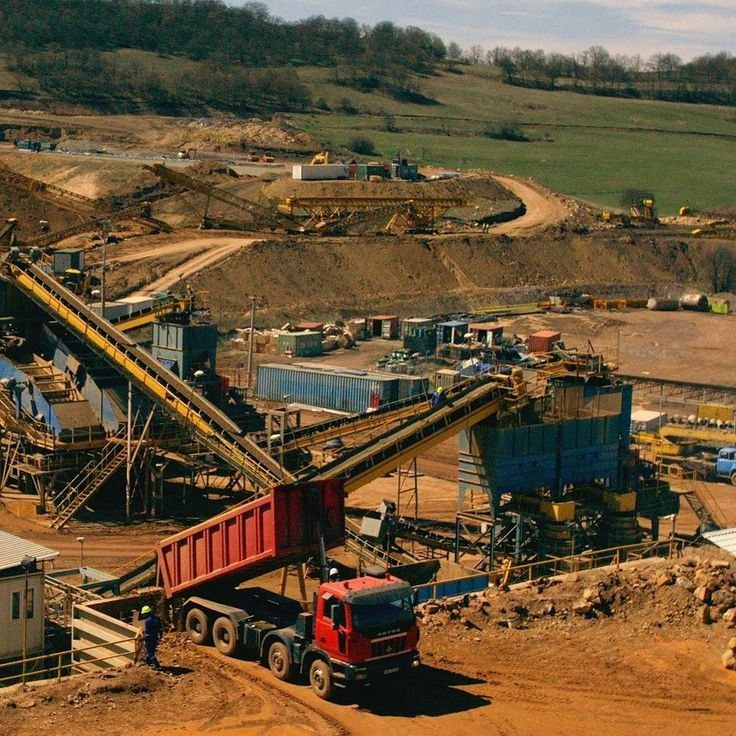
Ghana’s mining industry, a cornerstone of the national economy, annually spends well over $100 million on the procurement of heavy-duty tyres essential for operating haul trucks, excavators, bulldozers, and other industrial machinery. These purchases form part of mining companies’ local procurement commitments under the Local Content Policy of the Minerals Commission. However, a critical oversight persists although these tyres are procured through local suppliers or intermediaries, they are still entirely imported sourced from manufacturers in China, South Africa, India, and Europe. This model, while technically compliant, results in a massive capital flight and does little to build the industrial base Ghana truly needs.
To unlock sustainable economic growth and industrial resilience, Ghana must rethink what constitutes genuine local content. The country has a unique opportunity to move from import-dependent transactions to value-added domestic production by establishing a local manufacturing facility for heavy-duty mining tyres. Anchored by the mining sector as a guaranteed off taker, such a factory would not only ensure supply security but also drive backward linkages into rubber farming, engineering, logistics, and job creation.
This article argues that the mining industry, with its consistent and high-value tyre demand, should become the anchor client for a domestic tyre manufacturing plant. Doing so will redefine local content from merely buying “through Ghanaians” to building in Ghana, a critical shift if the country is to industrialize meaningfully and retain wealth within its borders.
A Built-In Market for Locally Made Tyres
With over 100,000 heavy-duty tyres needed annually across Ghana’s gold, bauxite, and manganese mines, the demand base is clear. Mining companies such as Newmont, Gold Fields, AngloGold Ashanti, Golden Star Wassa, Asante Gold Corporation among others and Ghana Bauxite Company all rely heavily on large-scale equipment, each with constant tyre replacement needs due to the harsh operational environments.
The mining sector alone can provide a guaranteed demand that justifies the establishment of a tyre factory. Additionally, other sectors such as construction, ports, cement, and logistics would further boost market demand, ensuring year-round production capacity is met and sustained.
Government Must Lead with Policy and Purpose
To catalyze such a project, the Government of Ghana must take the lead, not just through funding or facilitation, but through strong policy direction and industrial coordination. This includes mandatory local procurement policies, incentives for compliance, and penalties for non-compliance.
First and foremost, the government can engage all mining companies and large industrial firms a defined timeline (e.g., 3–5 years) to source their tyres exclusively from the local factory, once it is operational and meets international quality standards. This aligns with Ghana’s existing Local Content Policy in the mining sector and creates immediate demand assurance for investors.
Secondly, firms that comply could benefit from tax rebates or import duty exemptions on spare parts, priority in accessing mining licenses or renewals and public recognition and ESG incentives.
Third but not the least, companies that continue to import tyres beyond the transition period without a valid exemption could face increased duties or non-deductibility of such costs for tax purposes.
Through the Industrial Development Support, the government can integrate this project into national industrial policies such as One District, One Factory (1D1F) targeting mining communities and the host communities for this factory. Other policies that could be considered are the Ghana Automotive Development Policy and the Ghana Industrial Transformation Agenda.
These frameworks already exist to promote local production and can be tailored to support a strategic sector like tyre manufacturing.
Economic Impact of a Local Tyre Factory
Establishing a mining tyre factory in Ghana would unlock wide-ranging benefits such as over 500 direct jobs made up of factory workers, engineers, technicians and administrators. Additionally, this can unlock over 1,500 indirect jobs through rubber farming, logistics, and maintenance.
Further, this factory can boost rubber farming. The factory would stimulate demand for natural rubber, encouraging investment in plantations in Western, Ashanti, and Central regions. Building this factory must ensure that deliberate efforts are made toward sustainable source of raw material. This can create opportunities for plantations farmers in Western, Ashanti, and Central regions.
It is important to note that this factory, if established would be a source of additional tax revenue for government. An estimate of USD15 to $25 million annually from corporate taxes, VAT, payroll taxes, and supply chain duties.
Also, this factory will greatly impact import substitution and forex savings. This is through reducing tyre imports by up to $100 million annually and enhancing Ghana’s trade balance and forex reserves.
Beyond the shores of Ghana is the regional export potential of the factory. Neighbouring countries such as Burkina Faso, Cote d’Ivoire and Mali are all into and would need such supplies. Through the African Continental Free Trade Area (AfCFTA), Ghana-made tyres could serve mining and construction sectors across West Africa.
Strategic Timing for National Self-Reliance
The recent disruptions in global trade such as COVID-19 and the Russian-Ukraine war, US Tariff war as well as the increasing costs of logistics have exposed the vulnerabilities of over-dependence on imports. Ghana has the raw materials, affordable labour, and demand base to support tyre manufacturing. With deliberate planning, this industry can thrive within two to three years from inception. All it takes is the right mix of political will, policy direction, and private sector partnership.
Ghana Must Build This
A mining tyre manufacturing factory is more than a plant, it’s a symbol of Ghana’s transition from a resource-exporting country to an industrialized economy. With the mining industry as an anchor client and the government as a policy driver, this factory can become a landmark of self-reliance, economic transformation, and African industrial leadership.
The time to build is now.